
Dr. James Davison Peptides

Peptide Dosing Guide for
Optimal Health
Our Peptide Dosing Guide delivers clear, research-backed guidance on how to use peptides safely and effectively to support your goals—whether that’s weight management, faster recovery, sharper cognitive performance, or overall vitality. Each peptide includes tailored dosing protocols alongside practical lifestyle recommendations to help you get the best results while maintaining safety.
Before starting any peptide protocol, consult a qualified healthcare professional to ensure it’s appropriate for your individual needs. Keep in mind that responses and potential side effects can vary from person to person.
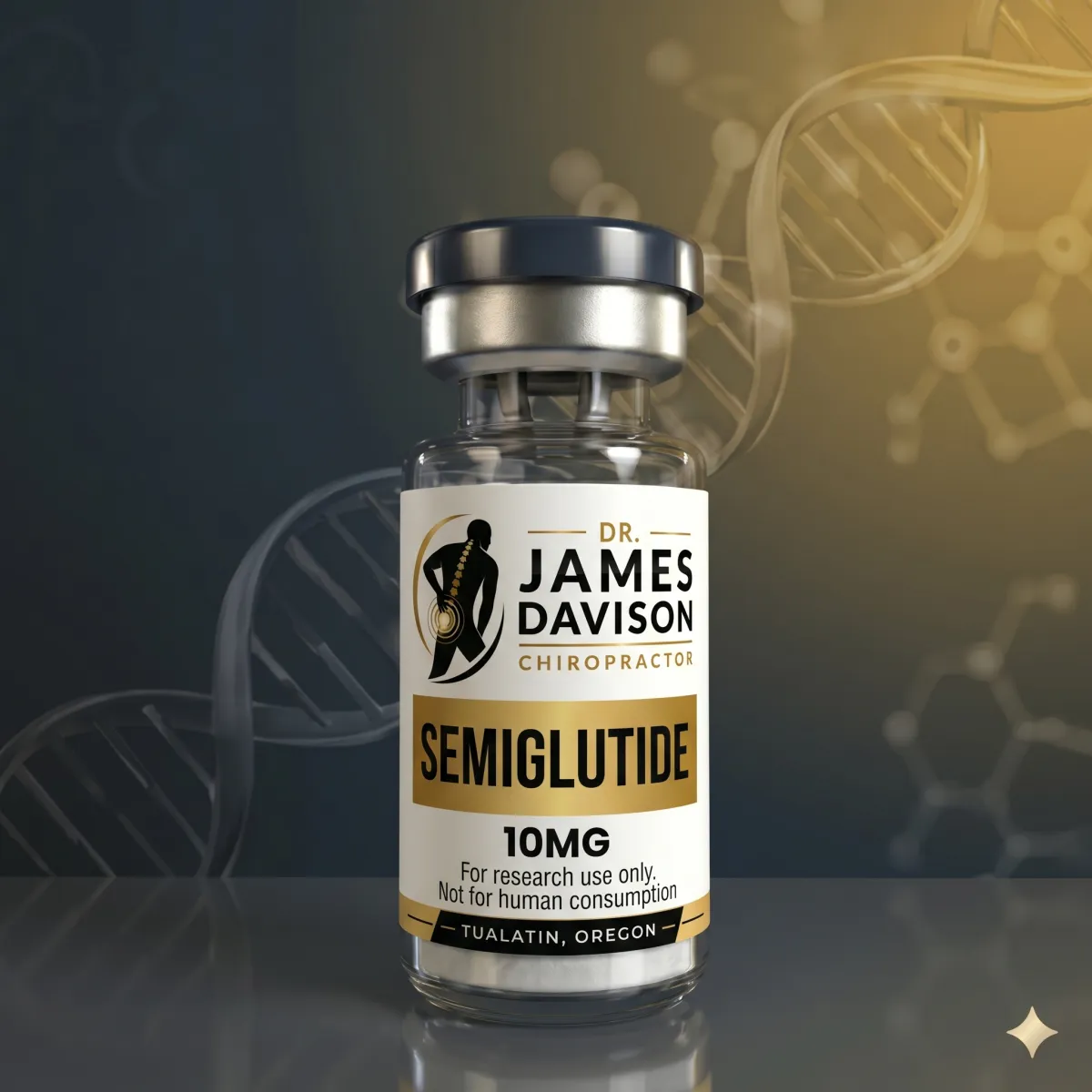
Semaglutide
Semaglutide is a synthetic peptide and GLP-1 receptor agonist commonly studied for its role in metabolic regulation, appetite control, and longevity research. It is supplied in lyophilized form and must be reconstituted with bacteriostatic water for laboratory applications. Intended strictly for research purposes only and not for human or veterinary use.
2.5 semaglutide Dosing
2.5mg Vial (2500 mcg/mL) We are basing this off using a 1mL Insulin Syringe (100 units)
Dosing Is 1 X Per Week
● Low Dose (250–1000 mcg/week):
○ 250 mcg (.25mg) or 10 units (0.1 mL)
○ 500 mcg (.5mg) or 20 units (0.2 mL)
○ 1000 mcg (1.0mg) or 40 units (0.4 mL)
● Average Dose (1000–3000 mcg/week):
○ 1000 mcg (1.0mg) or 40 units (0.4 mL)
○ 2000 mcg (2.0mg) or 80 units (0.8 mL)
○ 3000 mcg (3.0mg) or 120 units (1.2 mL, requires two injections of 60 units/0.6 mL
each)
● High Dose (3000–6000 mcg/week):
○ 3000 mcg (3.0mg) or 120 units (1.2 mL, two injections of 60 units/0.6 mL)
○ 4000 mcg (4.0mg) or 160 units (1.6 mL, two injections of 80 units/0.8 mL)
○ 6000 mcg (6.0mg) or 240 units (2.4 mL, three injections of 80 units/0.8 mL)
10mg Semaglutide Dosing
10mg Vial (10,000 mcg/mL) We are basing this off a 1mL Insulin Syringe (100 units)
Dosing Is 1X Per Week
● Low Dose (250–1000 mcg/week):
○ 250 mcg (2.5mg or 2.5 units (0.025 mL)
○ 500 mcg (.5mg) or 5 units (0.05 mL)
○ 1000 mcg 1.0mg) or 10 units (0.1 mL)
● Average Dose (1000–3000 mcg/week):
○ 1000 mcg (1.0mg) or 10 units (0.1 mL)
○ 2000 mcg (2.0mg) or 20 units (0.2 mL)
○ 3000 mcg (3.0mg) or 30 units (0.3 mL)
● High Dose (3000–6000 mcg/week):
○ 3000 mcg (3.0mg) or 30 units (0.3 mL)
○ 4000 mcg (4.0mg) or 40 units (0.4 mL)
○ 6000 mcg (6.0mg) or 60 units (0.6 mL).
Health Recommendations
For metabolic and longevity in mind with Semaglutide, consider these lifestyle factors:
● Exercise: 3–5 times weekly (30–45 min cardio, 2–3x weight lifting).
● Diet: High-protein (1.2–2.0g/kg body weight daily; e.g., fish, legumes).
● Vitamins: Include Vitamin D, B Vitamins, Magnesium, Omega-3s.
● Hydration & Sleep: 2–3L water daily, 7–9 hours sleep.
● Track Data: Log diet, exercise for consistent research.
Tirzepatide
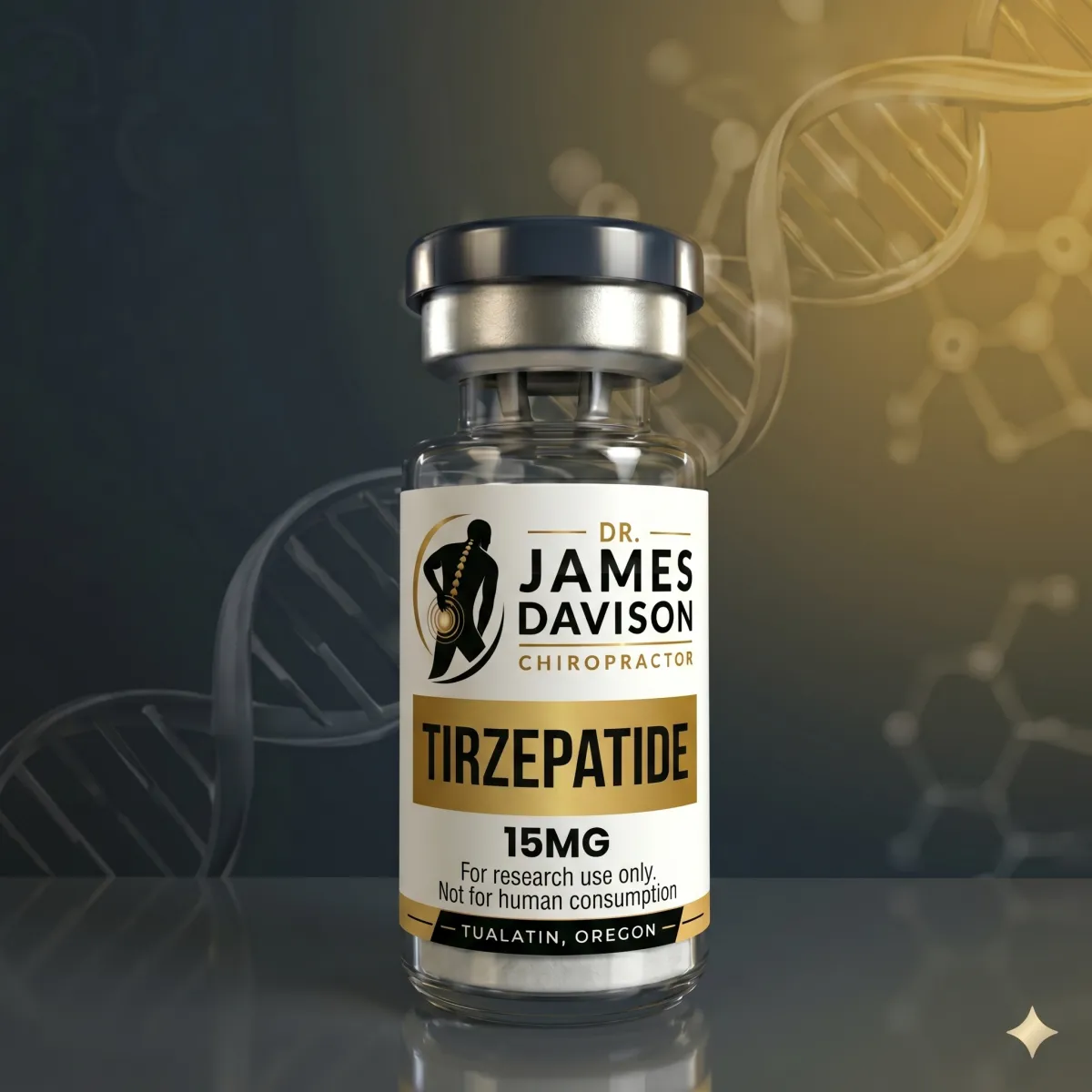
Tirzepatide is a dual GIP and GLP-1 receptor agonist commonly studied for its role in metabolic regulation and weight-related research. According to manufacturer guidelines, protocols often begin at 2500 mcg per week, with incremental increases of 2500 mcg every four weeks depending on research requirements. An initial adjustment period is recommended, starting with half the baseline amount (1250 mcg) for the first 1–2 weeks to evaluate response and tolerance.
5mg Tirzepatide Dosing
Reconstitute 5mg Vial with 100 units of Bac water (15,000 mcg/mL) We are basing this off a 1mL Insulin Syringe (100 units) for dosing.
Dosing Is 1X Per Week
● Low Dose (2500-5000 mcg/week):
○ 1250 mcg: (initial) (1.25mg) or 25 units (0.25 mL)
○ 2500 mcg: (2.5mg) or 50 units (0.5 mL)
○ 5000 mcg: (5mg) or 100 units (1.0 mL)
● Average Dose (5000-10000 mcg/week):
○ 5000 mcg: (5mg) or 100 units (1.0 mL)
○ 7500 mcg: (7,5mg) or 150 units (1.5 mL, two injections of 75 units/0.75
mL)
○ 10000 mcg: (10mg) or 200 units (2.0 mL, two injections of 100 units/1.0
mL)
● High Dose (10000-15000 mcg/week):
○ 10000 mcg (10mg) or 200 units (2.0 mL, two injections of 100 units/1.0
mL)
○ 12500 mcg (12.5mg) or 250 units (2.5 mL, three injections of 83 units/0.83
mL)
○ 15000 mcg (15mg) or 300 units (3.0 mL, three injections of 100 units/1.0
mL)
10mg Tirzepatide Dosing
Reconstitute 10mg Vial with 100 units of Bac water (15,000 mcg/mL) We are basing this off a 1mL Insulin Syringe (100 units) for dosing.
Dosing Is 1X Per Week
● Low Dose (2500-5000 mcg/week):
○ 1250 mcg (initial)(1.25mg) or 12.5 units (0.125 mL)
○ 2500 mcg (2.5mg) or 25 units (0.25 mL)
○ 5000 mcg (5mg) or 50 units (0.5 mL)
● Average Dose (5000-10000 mcg/week):
○ 5000 mcg (5mg) or 50 units (0.5 mL)
○ 7500 mcg (7.5mg) or 75 units (0.75 mL)
○ 10000 mcg (10mg) or 100 units (1.0 mL)
● High Dose (10000-15000 mcg/week):
○ 10000 mcg (10mg) or 100 units (1.0 mL)
○ 12500 mcg (12.5mg) or 125 units (1.25 mL, two injections of 62.5
units/0.625 mL)
○ 15000 mcg (15mg) or 150 units (1.5 mL, two injections of 75 units/0.75
mL)
15mg Tirzepatide Dosing
Reconstitute 15mg Vial with 100 units of Bac water (10,000 mcg/mL) We are basing this off a 1mL Insulin Syringe (100 units) for dosing.
Dosing Is 1X Per Week
● Low Dose (2500-5000 mcg/week):
○ 1250 mcg (initial) (1.25mg) or 8.3 units (0.083 mL)
○ 2500 mcg (2.5mg) or 16.7 units (0.167 mL)
○ 5000 mcg (5mg) or 33.3 units (0.333 mL)
● Average Dose (5000-10000 mcg/week):
○ 5000 mcg (5mg) or 33.3 units (0.333 mL)
○ 7500 mcg (7.5mg) or 50 units (0.5 mL)
○ 10000 mcg )10mg) or 66.7 units (0.667 mL)
● High Dose (10000-15000 mcg/week):
○ 10000 mcg (10mg) or 66.7 units (0.667 mL)
○ 12500 mcg (12.5mg) or 83.3 units (0.833 mL)
○ 15000 mcg (15mg) or 100 units (1.0 mL)
Health Recommendations
For metabolic and longevity in mind with Trizepatide, consider these lifestyle factors:
● Exercise: 3–5 times weekly (30–45 min cardio, 2–3x weight lifting).
● Diet: High-protein (1.2–2.0g/kg body weight daily; e.g., fish, legumes).
● Vitamins: Include Vitamin D, B Vitamins, Magnesium, Omega-3s.
● Hydration & Sleep: 2–3L water daily, 7–9 hours sleep.
● Track Data: Log diet, exercise for consistent research.
Retatrutide
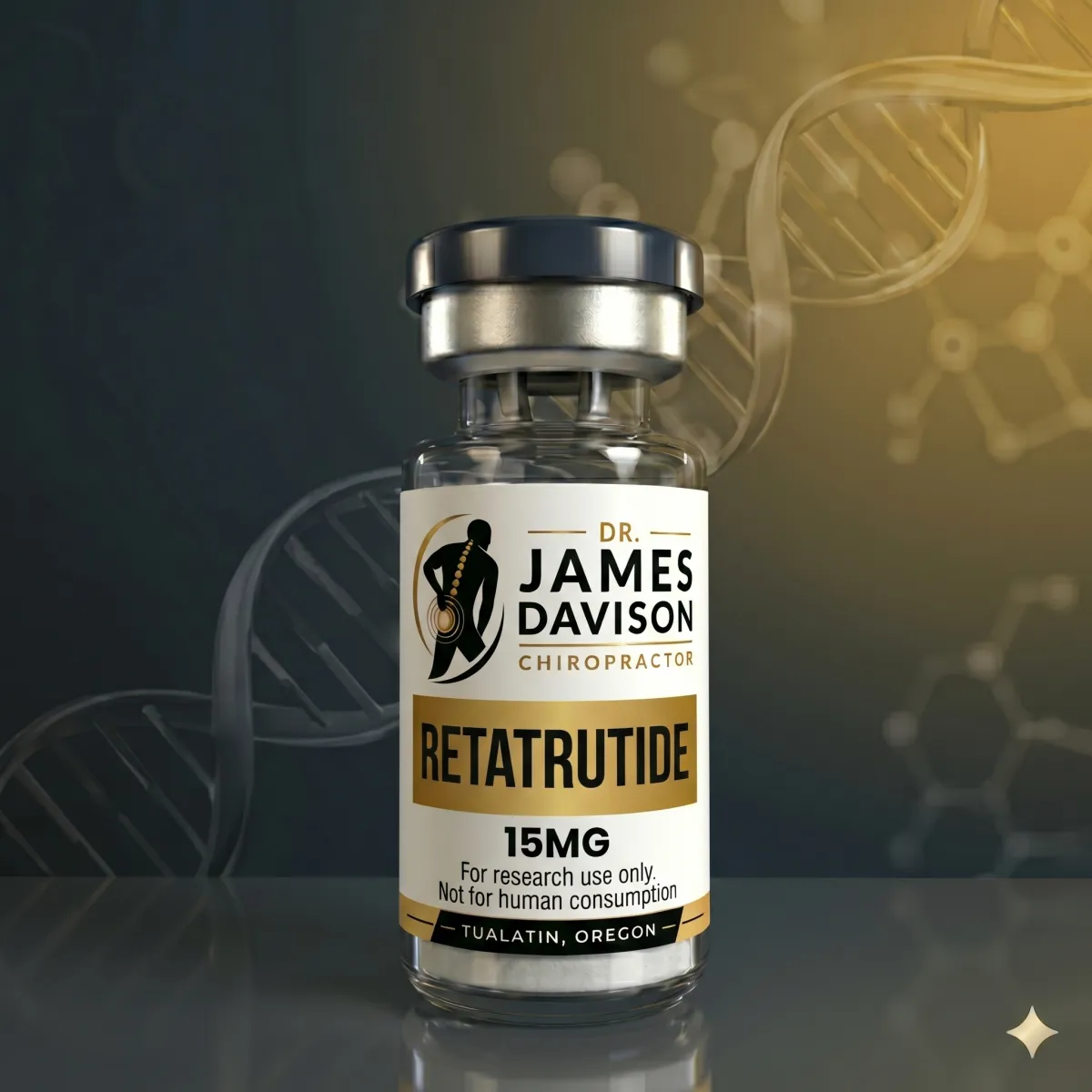
Retatrutide is a triple agonist targeting GIP, GLP-1, and glucagon receptors, widely studied for its role in metabolic regulation and longevity research. Manufacturer guidance typically recommends starting at 2000 mcg per week, with gradual increases of 2000 mcg every four weeks based on research objectives. An initial adjustment phase is advised, beginning with half the starting amount (1000 mcg) for the first 1–2 weeks to evaluate response and tolerance.
5mg Retatrutide Dosing
Reconstituted with 100 units (1 mL) Bacteriostatic Water, using a 1 mL Insulin Syringe (100 units) for dosing
Dosing Is 1X Per Week
● Low Dose (1000-4000 mcg/week):
○ 1000 mcg (initial) (1mg) or 20 units (0.2 mL)
○ 2000 mcg (2mg) or 40 units (0.4 mL)
○ 4000 mcg (4mg) or 80 units (0.8 mL)
● Average Dose (4000-8000 mcg/week):
○ 4000 mcg (4mg) or 80 units (0.8 mL)
○ 6000 mcg (6mg) or 120 units (1.2 mL, two injections of 60 units/0.6 mL)
○ 8000 mcg (8mg) or 160 units (1.6 mL, two injections of 80 units/0.8 mL)
● High Dose (8000-12000 mcg/week):
○ 8000 mcg (8mg) or 160 units (1.6 mL, two injections of 80 units/0.8 mL)
○ 10000 mcg (10mg) or 200 units (2.0 mL, two injections of 100 units/1.0 mL)
○ 12000 mcg (12mg) or 240 units (2.4 mL, three injections of 80 units/0.8 mL)
10mg Retatrutide Dosing
Reconstituted with 100 units (1 mL) Bacteriostatic Water, using a 1 mL insulin Syringe (100 units) for dosing.
Dosing Is 1X Per Week
● Low Dose (1000-4000 mcg/week):
○ 1000 mcg (initial) (1mg) or 10 units (0.1 mL)
○ 2000 mcg (2mg) or 20 units (0.2 mL)
○ 4000 mcg (4mg) or 40 units (0.4 mL)
● Average Dose (4000-8000 mcg/week):
○ 4000 mcg (4mg) or 40 units (0.4 mL)
○ 6000 mcg (6mg) or 60 units (0.6 mL)
○ 8000 mcg (8mg) or 80 units (0.8 mL)
● High Dose (8000-12000 mcg/week):
○ 8000 mcg (8mg) or 80 units (0.8 mL)
○ 10000 mcg (10mg) or 100 units (1.0 mL)
○ 12000 mcg (12mg) or 120 units (1.2 mL, two injections of 60 units/0.6 mL
15mg Retatrutide Dosing
Reconstituted with 100 units (1 mL) Bacteriostatic Water, using a 1 mL Insulin Syringe (100 units) for dosing.
Dosing Is 1X Per Week
● Low Dose (1000-4000 mcg/week):
○ 1000 mcg (initial) (1mg) or 6.7 units (0.067 mL)
○ 2000 mcg (2mg) or 13.3 units (0.133 mL)
○ 4000 mcg (4mg) or 26.7 units (0.267 mL)
● Average Dose (4000-8000 mcg/week):
○ 4000 mcg (4mg) or 26.7 units (0.267 mL)
○ 6000 mcg (6mg) or 40 units (0.4 mL)
○ 8000 mcg (8mg) or 53.3 units (0.533 mL)
● High Dose (8000-12000 mcg/week):
○ 8000 mcg (8mg) or 53.3 units (0.533 mL)
○ 10000 mcg (10mg) or 66.7 units (0.667 mL)
○ 12000 mcg (12mg) or 80 units (0.8 mL)
Health Recommendations
For metabolic and longevity in mind with Retatrutide , consider these lifestyle factors:
● Exercise: 3–5 times weekly (30–45 min cardio, 2–3x weight lifting).
● Diet: High-protein (1.2–2.0g/kg body weight daily; e.g., fish, legumes).
● Vitamins: Include Vitamin D, B Vitamins, Magnesium, Omega-3s.
● Hydration & Sleep: 2–3L water daily, 7–9 hours sleep.
● Track Data: Log diet, exercise for consistent research.
BPC-157
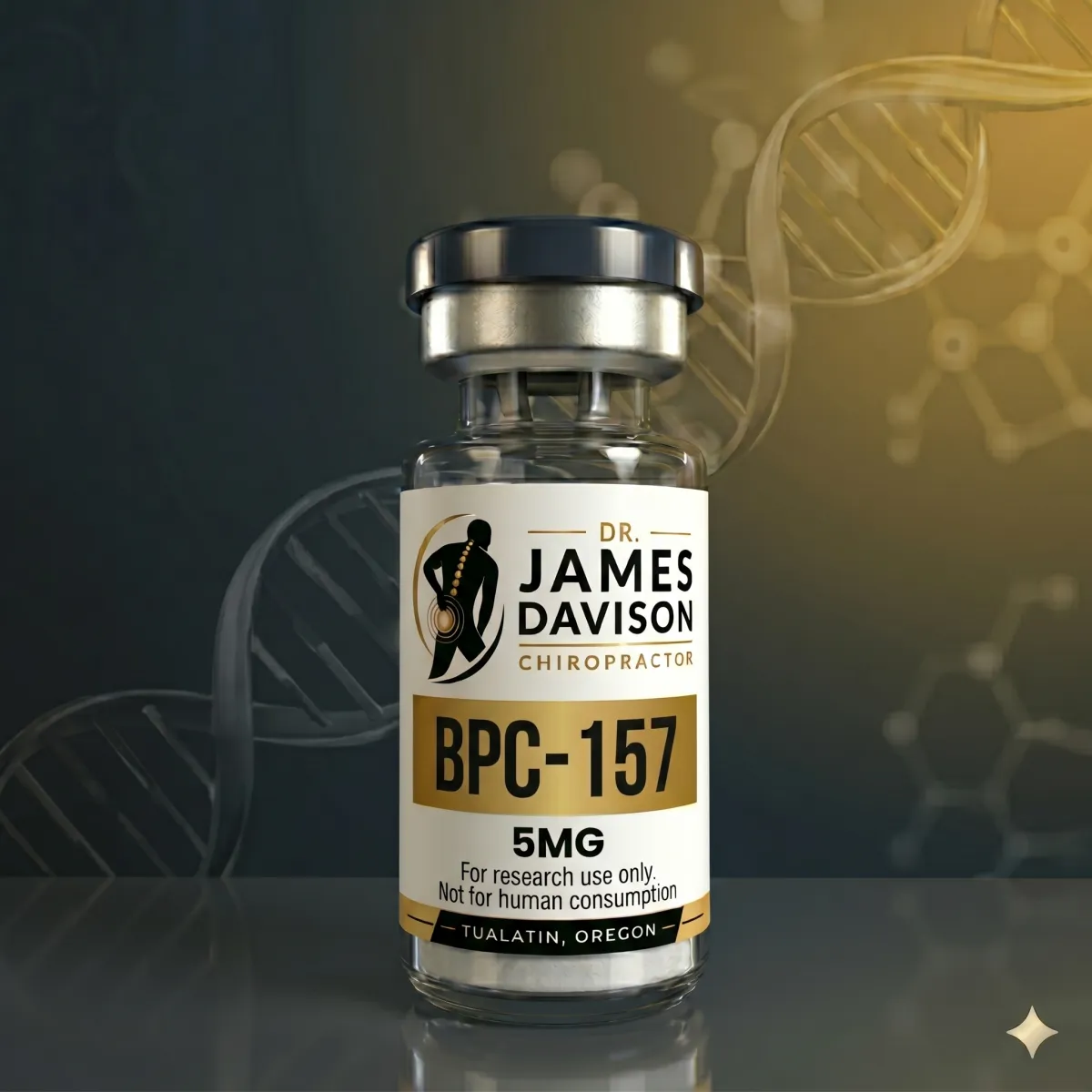
BPC-157 is widely studied for its role in supporting tissue repair and recovery processes. It has been explored in research focused on muscle, tendon, and ligament healing, as well as inflammation modulation and protection against oxidative stress, contributing to overall systemic function.
5mg BPC-157 Dosing
Reconstituted with 100 units (1 mL) Bacteriostatic Water, using a 1 mL Syringe (100 units)
Using a 1 mL Insulin Syringe (100 units) for dosing.
Dosing Is As Needed Up To 2X Per Day For Healing to Every Other Day For Maintenance Dosing
● Low Dose (100-250 mcg/day):
○ 100 mcg (.1mg) or 2 units (0.02 mL)
○ 250 mcg (.25mg) or 5 units (0.05 mL)
● Average Dose (250-500 mcg/day):
○ 250 mcg (.25mg) or 5 units (0.05 mL)
○ 500 mcg (.5mg) or 10 units (0.1 mL)
● High Dose (500-1000 mcg/day):
○ 500 mcg (.5mg) or 10 units (0.1 mL)
○ 1000 mcg (1mg) or 20 units (0.2 mL)
Health Recommendations
To maximize the potential benefits of BPC-157 and support your overall
wellness, consider the following:
● Consume a balanced diet rich in lean proteins, healthy fats, complex carbohydrates, and
antioxidant-rich foods (e.g., berries, leafy greens) to support tissue repair and reduce
inflammation.
● Ensure adequate intake of zinc, magnesium, and vitamin C to aid collagen synthesis and
healing.
● Drink plenty of water daily to support cellular function, nutrient delivery, and tissue repair.
● Aim for 7-9 hours of quality sleep nightly to enhance recovery and hormonal balance.
● Avoid overtraining and allow time for healing to support tissue regeneration.
● Incorporate low-impact activities like walking, yoga, or stretching to promote blood flow
and recovery.
● Limit processed foods, refined sugars, excessive alcohol, and smoking to reduce
inflammation and support healing.
● Monitor your body’s response, track progress in a journal, and discontinue use if adverse
effects occur.
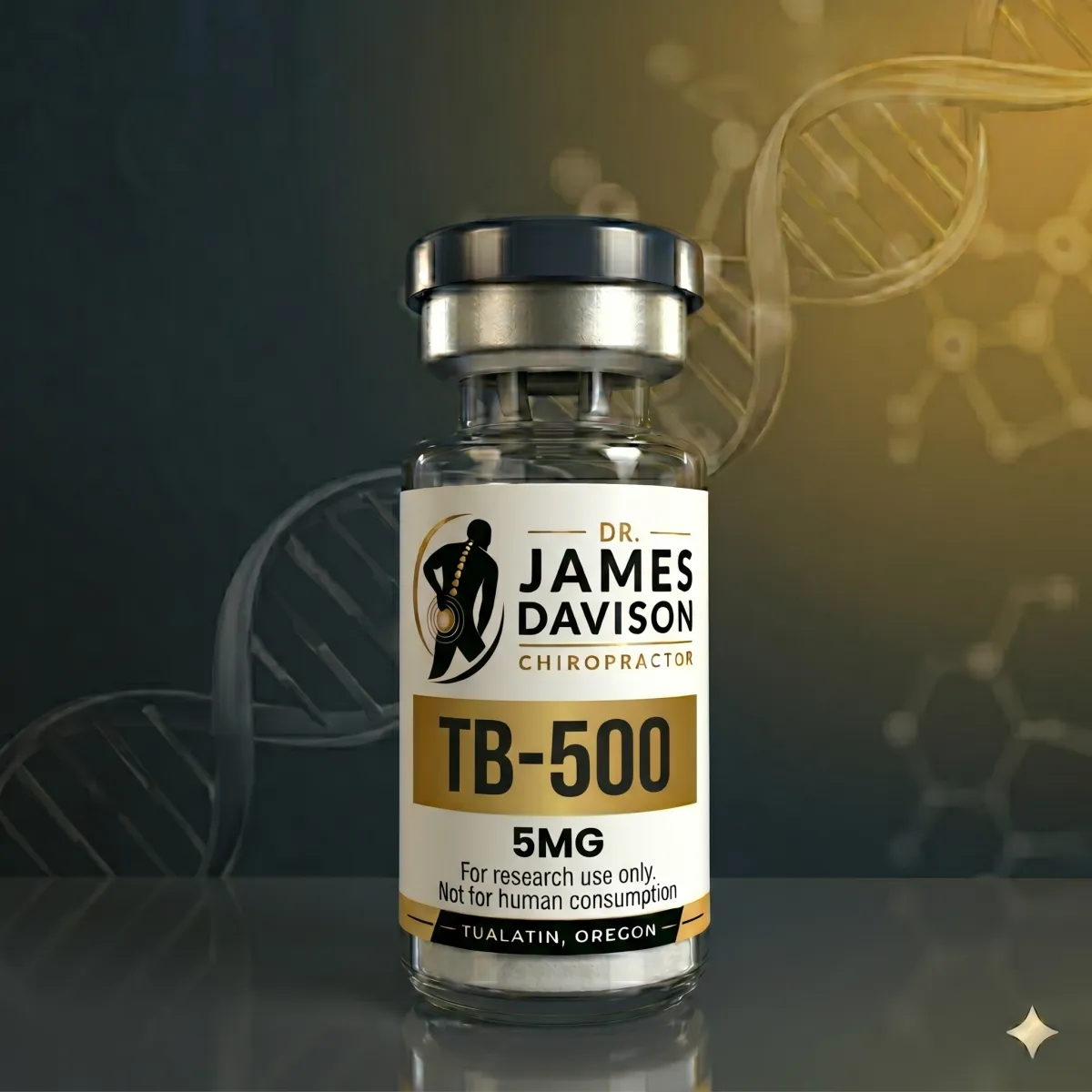
TB-500
TB-500 is a synthetic peptide derived from Thymosin Beta-4, widely studied for its role in tissue repair and recovery processes. Research has explored its potential involvement in supporting muscle, tendon, and ligament recovery, modulating inflammation, promoting angiogenesis (blood vessel formation), and influencing cellular responses to oxidative stress and tissue remodeling.
5mg TB 500 Dosing
Reconstituted with 100 units (1 mL) Bacteriostatic Water, using a 1 mL Syringe (100 units)
Use a 1 mL Insulin Syringe For Dosing (100 Units)
Dosing is up to 2X Per Day for Recovery and every other day for Maintenance Dosing
● Low Dose (100-250 mcg/day):
○ 100 mcg (.1mg) or 2 units (0.02 mL)
○ 250 mcg (.25mg) or 5 units (0.05 mL)
● Average Dose (250-500 mcg/day):
○ 250 mcg (.25mg) or 5 units (0.05 mL)
○ 500 mcg (.5mg) or 10 units (0.1 mL)
● High Dose (500-1000 mcg/day):
○ 500 mcg (.5mg) or 10 units (0.1 mL)
○ 1000 mcg (1.0mg) or 20 units (0.2mL)
Health Recommendations
To maximize the potential benefits of TB-500 and support your overall wellness, consider the
following:
● Consume a balanced diet rich in lean proteins, healthy fats, complex carbohydrates, and
antioxidant-rich foods (e.g., berries, leafy greens) to support tissue repair and reduce
inflammation.
● Ensure adequate intake of zinc, magnesium, and vitamin C to aid collagen synthesis and
healing.
● Drink plenty of water daily to support cellular function, nutrient delivery, and tissue repair.
● Aim for 7-9 hours of quality sleep nightly to enhance recovery and hormonal balance.
● Avoid overtraining and allow time for healing to support tissue regeneration.
● Incorporate low-impact activities like walking, yoga, or stretching to promote blood flow
and recovery.
● Limit processed foods, refined sugars, excessive alcohol, and smoking to reduce
inflammation and support healing.
● Monitor your body’s response, track progress in a journal, and discontinue use if adverse
effects occur.
Semax
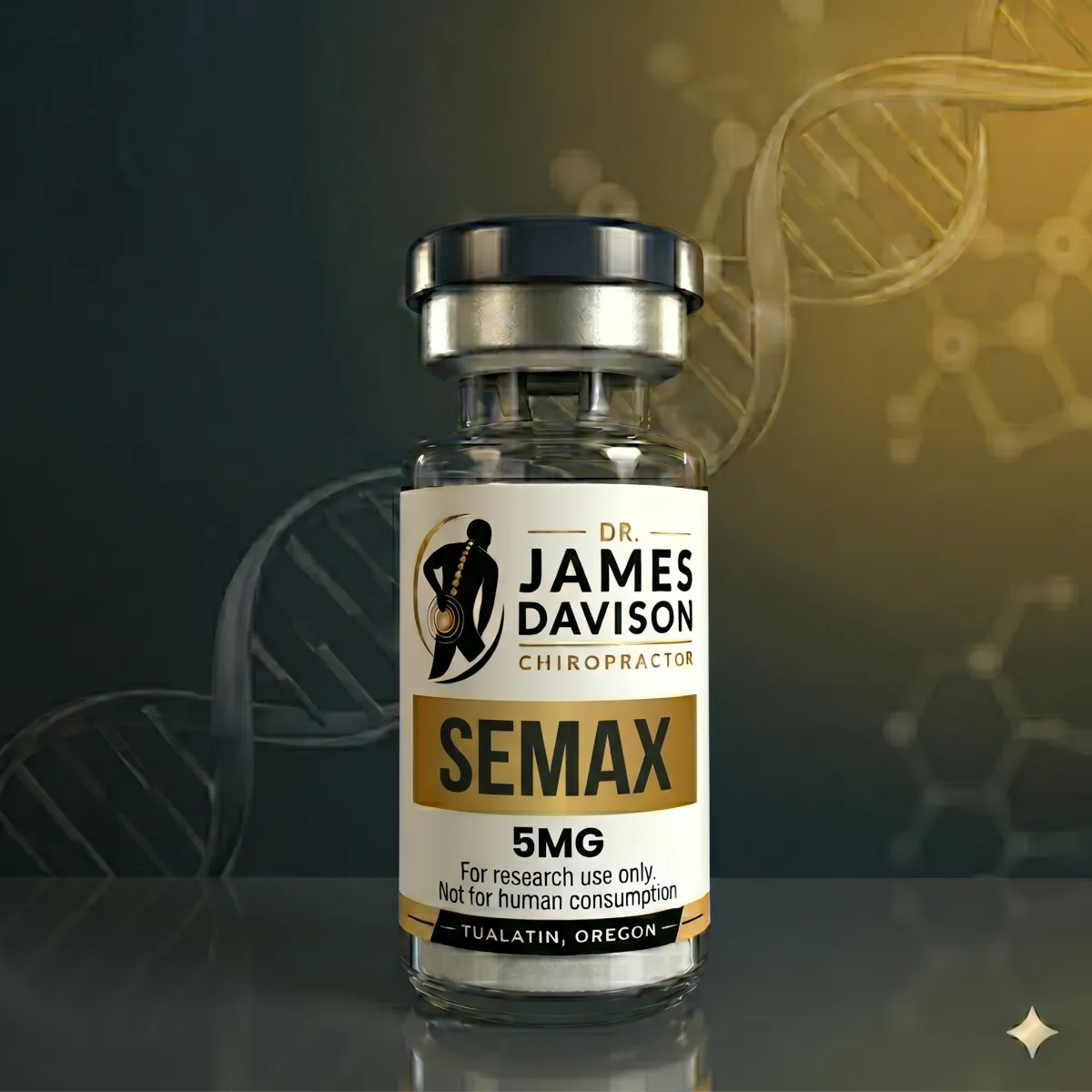
Semax is a synthetic peptide derived from adrenocorticotropic hormone (ACTH), widely studied for its role in neuroprotection and cognitive function. Research has explored its potential involvement in supporting neural repair processes, memory, focus, and learning, as well as its influence on oxidative stress and inflammation in the brain. It is also investigated for its effects on mood, stress response, and neurotransmitter modulation in various neurological contexts.
5mg Semax Dosing
Reconstitute 5mg Vial with 100 units of Bac water (5,000 mcg/mL) We are basing this off
a 1mL Syringe (100 units)
Dose 1X Per Day In The Morning.
**After 1 week we recommend a “flush” period for 1 week. Then continue regimen
**It is advised to take a week
● Low Dose (100 mcg/day):
○ 100 mcg (.1mg): 2 units (0.02 mL)
● Average Dose (250 mcg/day):
○ 250 mcg (.25mg): 5 units (0.05 mL)
● High Dose (500 mcg/day):
○ 500 mcg (.5mg): 10 units (0.1 mL
Health Recommendations
● Consume a balanced diet rich in lean proteins, healthy fats, complex carbohydrates, and
antioxidant-rich foods (e.g., berries, leafy greens) to support brain health and reduce
inflammation.
● Ensure adequate intake of omega-3 fatty acids, B vitamins, and magnesium to promote
cognitive function and neuroprotection.
● Drink plenty of water daily to support cellular function and brain hydration.
● Aim for 7-9 hours of quality sleep nightly to enhance cognitive recovery and memory
consolidation.
● Engage in regular mental activities like reading, puzzles, or meditation to support
cognitive optimization.
● Incorporate moderate physical activity, such as walking or yoga, to promote blood flow to
the brain and reduce stress.
● Limit caffeine, alcohol, and processed foods to minimize inflammation and support
neurological health.
● Monitor your body’s response, track cognitive or mood changes in a journal, and
discontinue use if adverse effects occur.
Selank
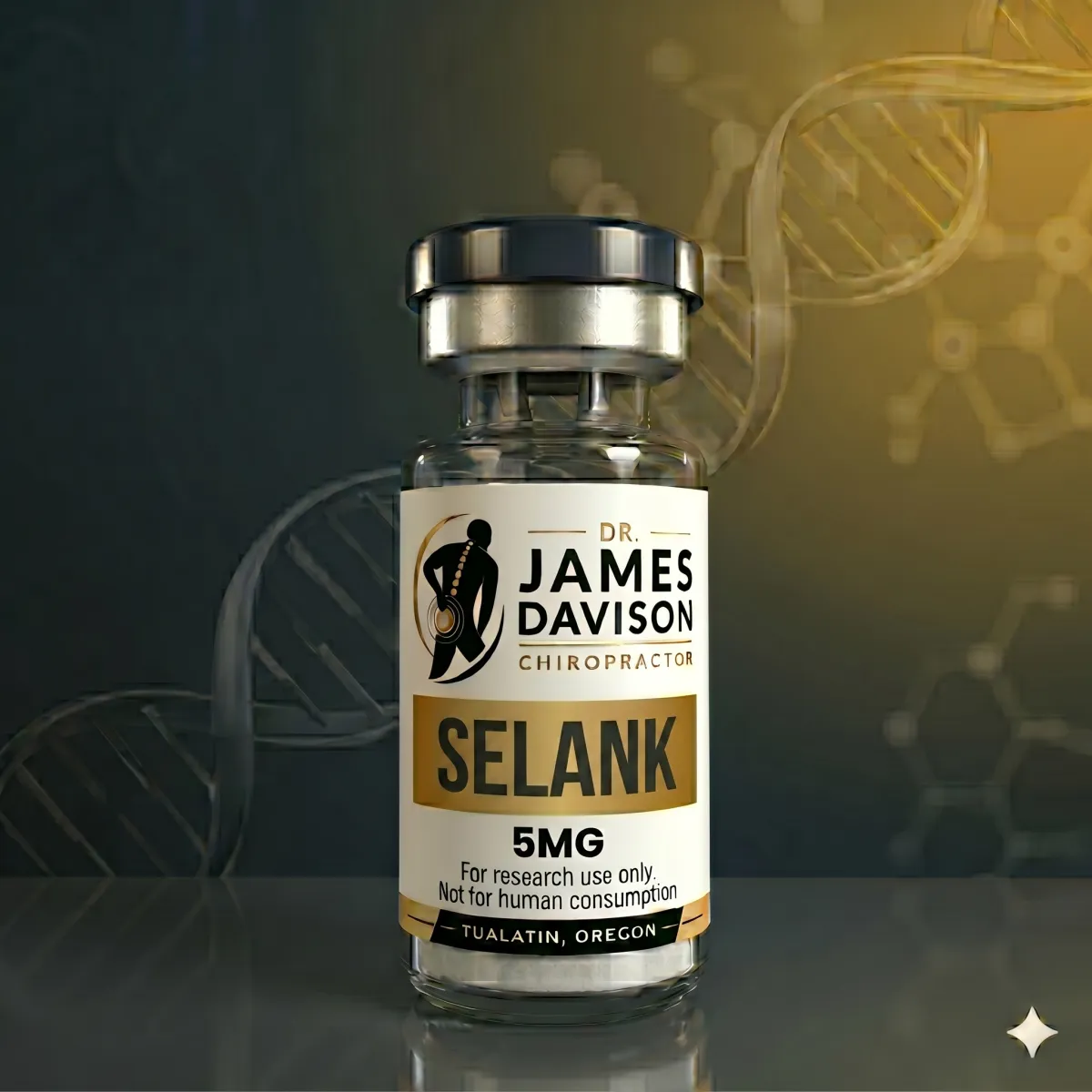
Selank is a synthetic peptide derived from the naturally occurring peptide tuftsin, widely studied for its effects on stress response, neuroprotection, and cognitive function. Research has explored its role in modulating neurotransmitters such as serotonin, dopamine, and enkephalins, which are linked to mood regulation and mental balance. It is also investigated for its potential involvement in supporting memory, focus, and overall cognitive performance, as well as its influence on inflammatory and oxidative processes in the nervous system.
5mg Selank Dosing
Reconstituted with 100 units (1 mL) Bacteriostatic Water, using a 1 mL Syringe (100 units)
Dosing Is 1X Daily
● Low Dose (100 mcg/day):
○ 100 mcg (.1mg) or 2 units (0.02 mL)
● Average Dose (250 mcg/day):
○ 250 mcg (.25mg) or 5 units (0.05 mL)
● High Dose (500 mcg/day):
○ 500 mcg (.5mg) or 10 units (0.1 mL)
Health Recommendations
● Consume a balanced diet rich in lean proteins, healthy fats, complex carbohydrates,
and antioxidant-rich foods (e.g., berries, leafy greens) to support brain health and
reduce inflammation.
● Ensure adequate intake of omega-3 fatty acids, B vitamins, and magnesium to
promote cognitive function and mood stability.
● Drink plenty of water daily to support cellular function and brain hydration.
● Aim for 7-9 hours of quality sleep nightly to enhance cognitive recovery, stress
resilience, and mood regulation.
● Engage in stress-reducing activities like meditation, deep breathing, or journaling to
complement Selank’s anxiolytic effects.
● Incorporate moderate physical activity, such as walking or yoga, to promote blood
flow to the brain and reduce stress.
● Limit caffeine, alcohol, and processed foods to minimize inflammation and support
neurological health.
● Monitor your body’s response, track mood or cognitive changes in a journal, and
discontinue use if adverse effects occur.
Ipamorelin
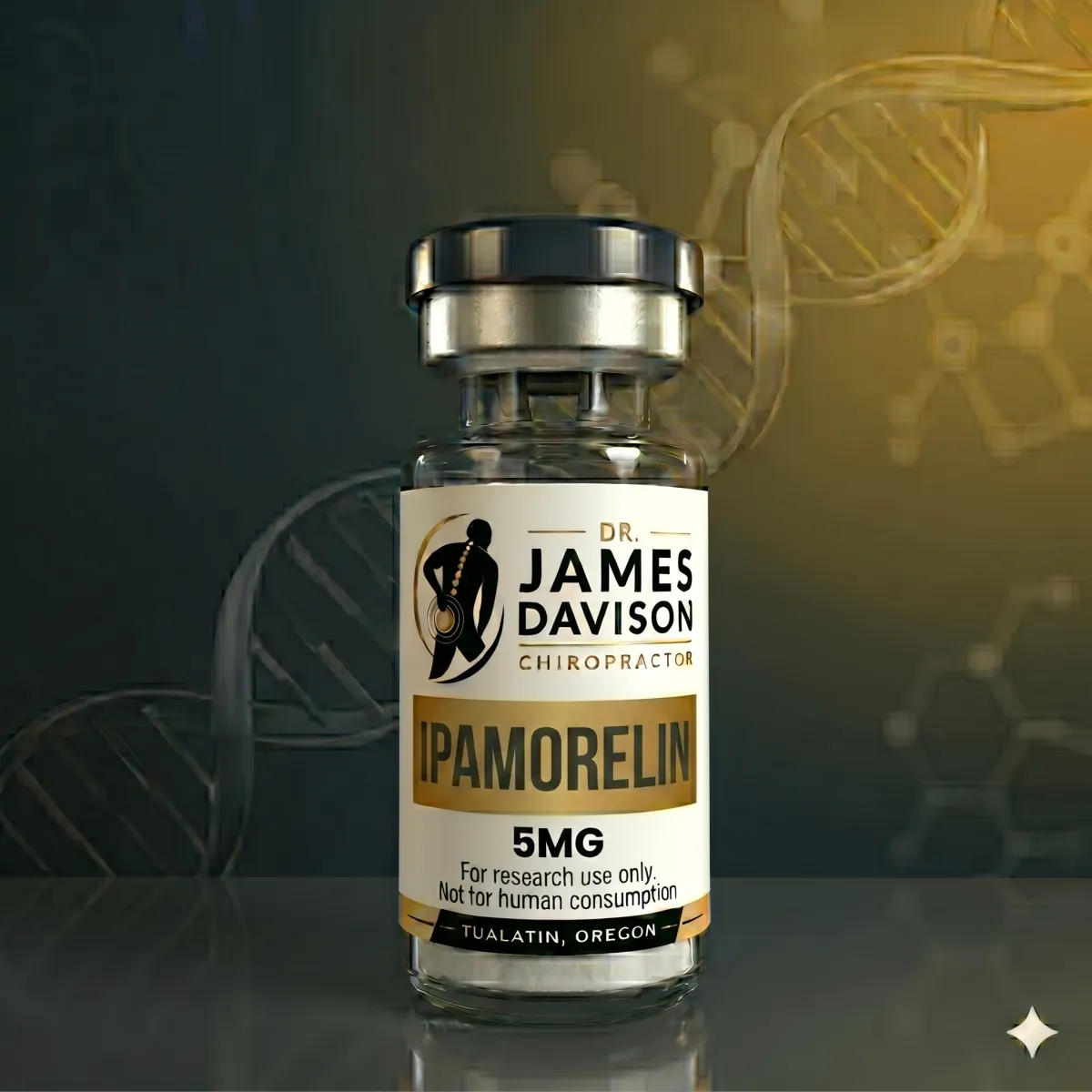
Ipamorelin is a synthetic peptide classified as a growth hormone secretagogue, widely studied for its role in stimulating growth hormone release from the pituitary gland. It is commonly explored in research focused on muscle development, tissue repair, and metabolic processes, due to its ghrelin-mimicking activity. Studies also investigate its potential involvement in recovery, strength adaptation, and collagen-related functions linked to joint and connective tissue support. Its selective receptor activity makes it a subject of interest in performance and regenerative research contexts.
5mg Ipamorelin Dosing
Reconstituted with 100 units (1 mL) Bacteriostatic Water, using a 1 mL Syringe (100 units) for dosing.
Dosing Is 1X Daily
● Low Dose (150 mcg/day):
○ 150 mcg (.15mg) or 3 units (0.03 mL)
● Average Dose (250 mcg/day):
○ 250 mcg (.25mg) or 5 units (0.05 mL)
● High Dose (500 mcg/day):
○ 500 mcg (.5mg) or 10 units (0.1 mL)
Health Recommendations
● Consume a balanced diet rich in lean proteins, healthy fats, complex carbohydrates, and
antioxidant-rich foods (e.g., berries, leafy greens) to support muscle growth, tissue
repair, and recovery.
● Ensure adequate intake of zinc, magnesium, and vitamin D to support growth hormone
production and overall health.
● Drink plenty of water daily to support cellular function, nutrient delivery, and tissue repair.
● Aim for 7-9 hours of quality sleep nightly to enhance growth hormone release and
recovery.
● Engage in regular strength training or moderate exercise to complement Ipamorelin’s
muscle-building and recovery effects.
● Avoid excessive stress and overtraining to optimize hormonal balance and tissue
regeneration.
● Limit processed foods, refined sugars, and excessive alcohol to reduce inflammation
and support metabolic health.
● Monitor your body’s response, track progress in strength or recovery in a journal, and
discontinue use if adverse effects occur.
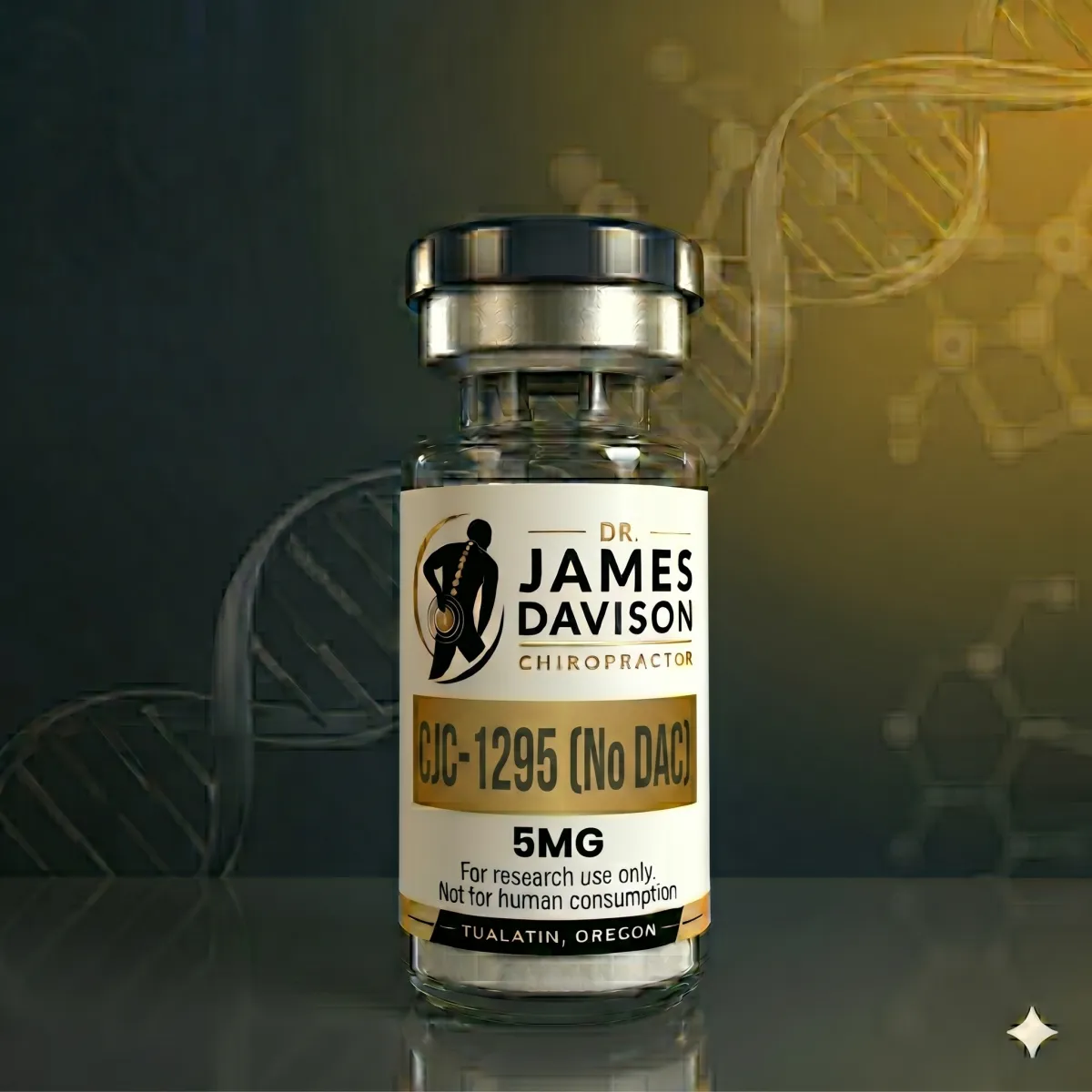
CJC-1295 (No DAC)
CJC-1295 is a synthetic peptide and growth hormone-releasing hormone (GHRH) analog, widely studied for its ability to stimulate growth hormone release from the pituitary gland. It is commonly explored in research focused on muscle development, tissue repair, metabolic regulation, and collagen-related processes linked to joint and skin function.
Due to its extended half-life—particularly when formulated with DAC (Drug Affinity Complex)—CJC-1295 is of interest in studies examining sustained growth hormone activity, recovery dynamics, and long-term physiological adaptation.
5mg CJC-1295 Dosing
Reconstituted with 100 units (1 mL) Bacteriostatic Water, using a 1 mL Syringe (100 units)
Dosing Is 1X Daily
● Low Dose (150 mcg/day):
○ 150 mcg (.15mg) or 3 units (0.03 mL)
● Average Dose (250 mcg/day):
○ 250 mc (.25mg) or 5 units (0.05 mL)
● High Dose (500 mcg/day):
○ 500 mcg (.5mg) or 10 units (0.1 mL)
Health Recommendations
● Consume a balanced diet rich in lean proteins, healthy fats, complex carbohydrates,
and antioxidant-rich foods (e.g., berries, leafy greens) to support muscle growth,
tissue repair, and recovery.
● Ensure adequate intake of zinc, magnesium, and vitamin D to support growth
hormone production and overall health.
● Drink plenty of water daily to support cellular function, nutrient delivery, and tissue
repair.
● Aim for 7-9 hours of quality sleep nightly to enhance growth hormone release and
recovery.
● Engage in regular strength training or moderate exercise to complement CJC-1295’s
muscle-building and recovery effects.
● Avoid excessive stress and overtraining to optimize hormonal balance and tissue
regeneration.
● Limit processed foods, refined sugars, and excessive alcohol to reduce inflammation
and support metabolic health.
● Monitor your body’s response, track progress in strength or recovery in a journal,
and discontinue use if adverse effects occur.
Melanotan 2
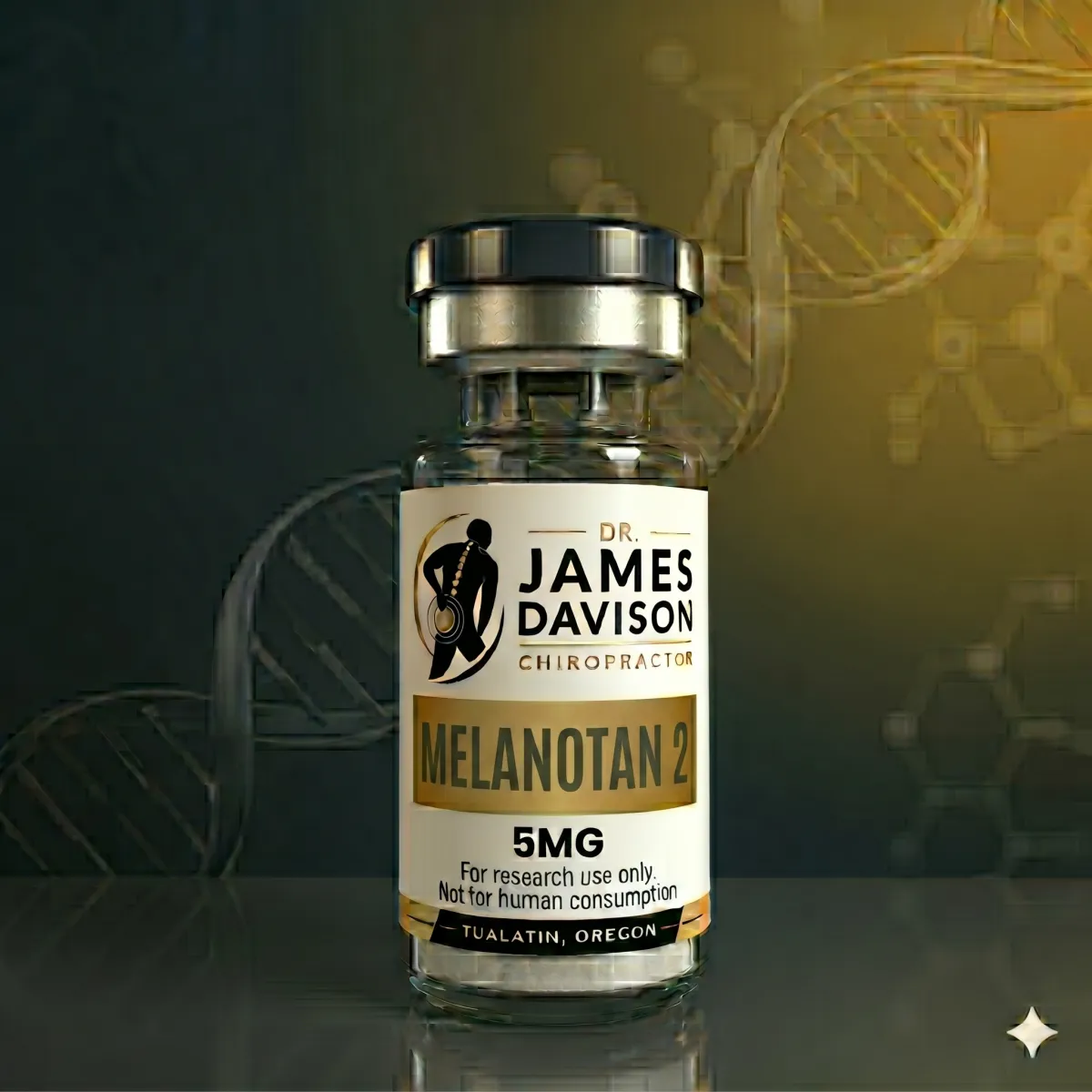
Melanotan II is a synthetic peptide widely studied for its role in stimulating melanin production, contributing to skin pigmentation research without reliance on extensive sun exposure. It is also explored in studies examining its potential effects on appetite regulation and sexual behavior through its interaction with melanocortin receptors.
Melanotan II Dosing
Reconstitute 10mg Vial with 200 units of Bac water (5,000 mcg/mL) We are basing this off a
1mL Syringe (100 units)for dosing.
Dosing is 1x Every Other Day Until Desired Effects. Then Maintenance Dosing After That
● Initial Dose (250-500 mcg every other day):
○ 250 mcg (.25mg) or 5 units (0.05 mL)
○ 500 mcg (5mg) or 10 units (0.10 mL)
● Maintenance Dose (100-250 mcg/week):
○ 100 mcg (.1mg) or 2 units (0.02 mL)
○ 250 mcg (.25 mg) or 5 units (0.05 mL)
Health Recommendations
● Consume a balanced diet rich in lean proteins, healthy fats, complex carbohydrates, and
antioxidant-rich foods (e.g., berries, leafy greens) to support cellular energy and repair.
● Ensure adequate intake of B vitamins, particularly niacin (vitamin B3), to support NAD+
synthesis and cellular health.
● Drink plenty of water daily to support cellular function, detoxification, and metabolic
processes.
● Aim for 7-9 hours of quality sleep nightly to enhance cellular repair and energy
restoration.
● Engage in moderate exercise, such as walking, yoga, or strength training, to boost
mitochondrial function and complement NAD+ effects.
● Practice stress management techniques like meditation or deep breathing to reduce
oxidative stress and support neurological health.
● Limit processed foods, refined sugars, and excessive alcohol to minimize inflammation
and support cellular metabolism.
● Monitor your body’s response, track energy or cognitive changes in a journal, and
discontinue use if adverse effects occur.
NAD +
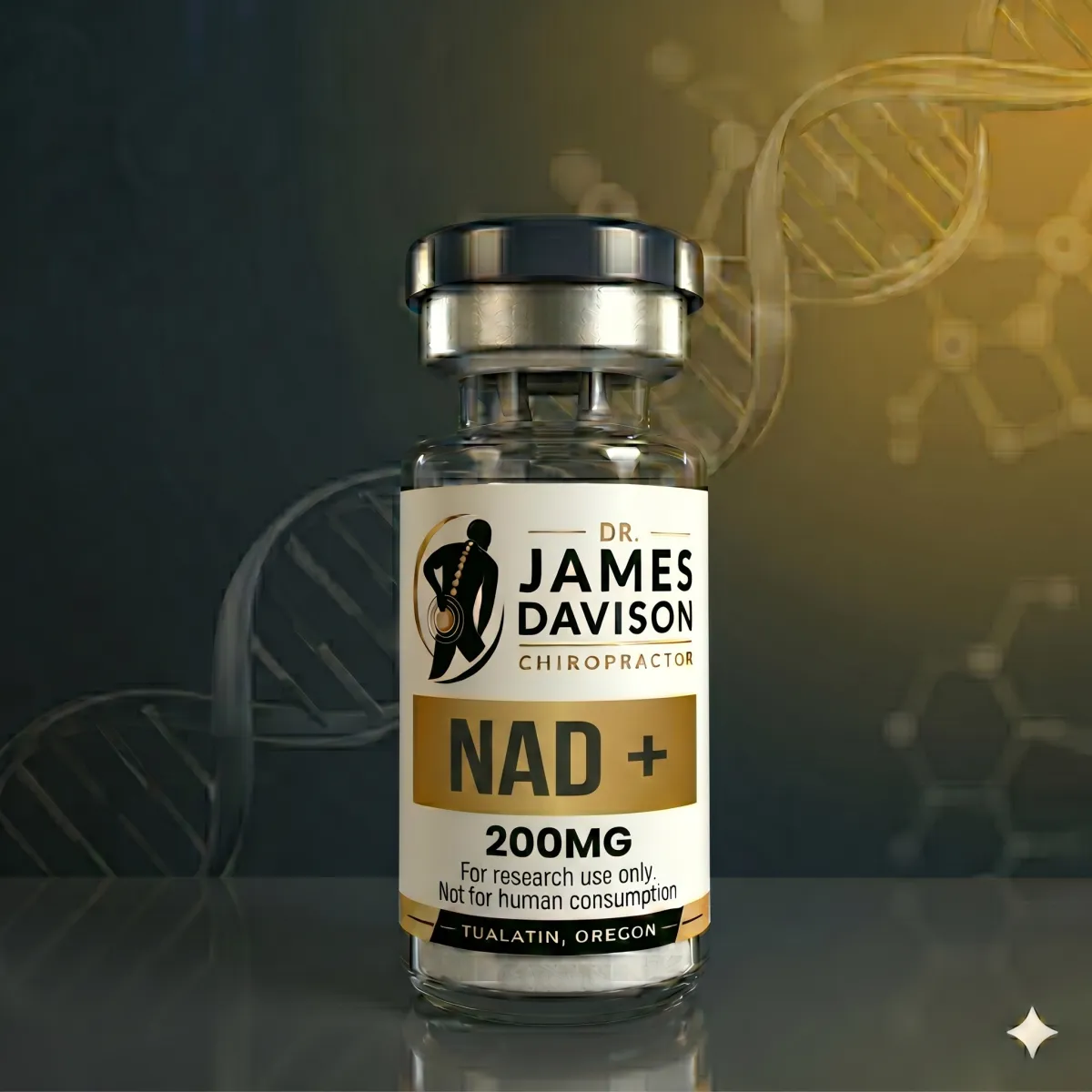
NAD+ (Nicotinamide Adenine Dinucleotide) is a vital coenzyme present in all living cells, essential for cellular energy production and repair processes. It is widely studied for its role in supporting metabolic function, DNA repair mechanisms, and mitochondrial activity.
Research has explored its involvement in cellular resilience, oxidative stress response, and recovery processes related to physical and neurological function. NAD+ is also a key focus in studies examining energy metabolism, cognitive performance, and overall cellular health.
NAD + 100mg Dosing
Reconstituted with 100 units (1 mL) Bacteriostatic Water, using a 1 mL Insulin Syringe (100 units) for dosing.
● Low Dose (150 mg/week):
○ 150 mg (150,000 mcg): or 150 units (1.5 mL, two injections of 75 units/0.75 mL)
● Average Dose (250 mg/week):
○ 250 mg (250,000 mcg): or 250 units (2.5 mL, three injections of 83 units/0.83 mL)
● High Dose (500 mg/week):
○ 500 mg (500,000 mcg): or 500 units (5.0 mL, five injections of 100 units/1.0 mL)
● Micro-Dosing (20-60 mg 3x/week):
○ 20 mg (20,000 mcg): or 20 units (0.2 mL)
○ 40 mg (40,000 mcg): or 40 units (0.4 mL)
○ 60 mg (60,000 mcg): or 60 units (0.6 mL)
NAD + 200 MG Dosing
Reconstituted with 200 units (2 mL) Bacteriostatic Water, using a 1 mL Syringe (100 units)
● Low Dose (150 mg/week):
○ 150 mg (150,000 mcg): 75 units (0.75 mL)
● Average Dose (250 mg/week):
○ 250 mg (250,000 mcg): 125 units (1.25 mL, two injections of 62.5 units/0.625 mL)
● High Dose (500 mg/week):
○ 500 mg (500,000 mcg): 250 units (2.5 mL, three injections of 83 units/0.83 mL)
● Micro-Dosing (20-60 mg 3x/week):
○ 20 mg (20,000 mcg): 10 units (0.1 mL)
○ 40 mg (40,000 mcg): 20 units (0.2 mL)
○ 60 mg (60,000 mcg): 30 units (0.3 mL)
Health Recommendations
Consume a balanced diet rich in lean proteins, healthy fats, complex carbohydrates, and
antioxidant-rich foods (e.g., berries, leafy greens) to support cellular energy and repair.
● Ensure adequate intake of B vitamins, particularly niacin (vitamin B3), to support NAD+
synthesis and cellular health.
● Drink plenty of water daily to support cellular function, detoxification, and metabolic
processes.
● Aim for 7-9 hours of quality sleep nightly to enhance cellular repair and energy
restoration.
● Engage in moderate exercise, such as walking, yoga, or strength training, to boost
mitochondrial function and complement NAD+ effects.
● Practice stress management techniques like meditation or deep breathing to reduce
oxidative stress and support neurological health.
● Limit processed foods, refined sugars, and excessive alcohol to minimize inflammation
and support cellular metabolism.
● Monitor your body’s response, track energy or cognitive changes in a journal, and
discontinue use if adverse effects occur.
Sermorelin
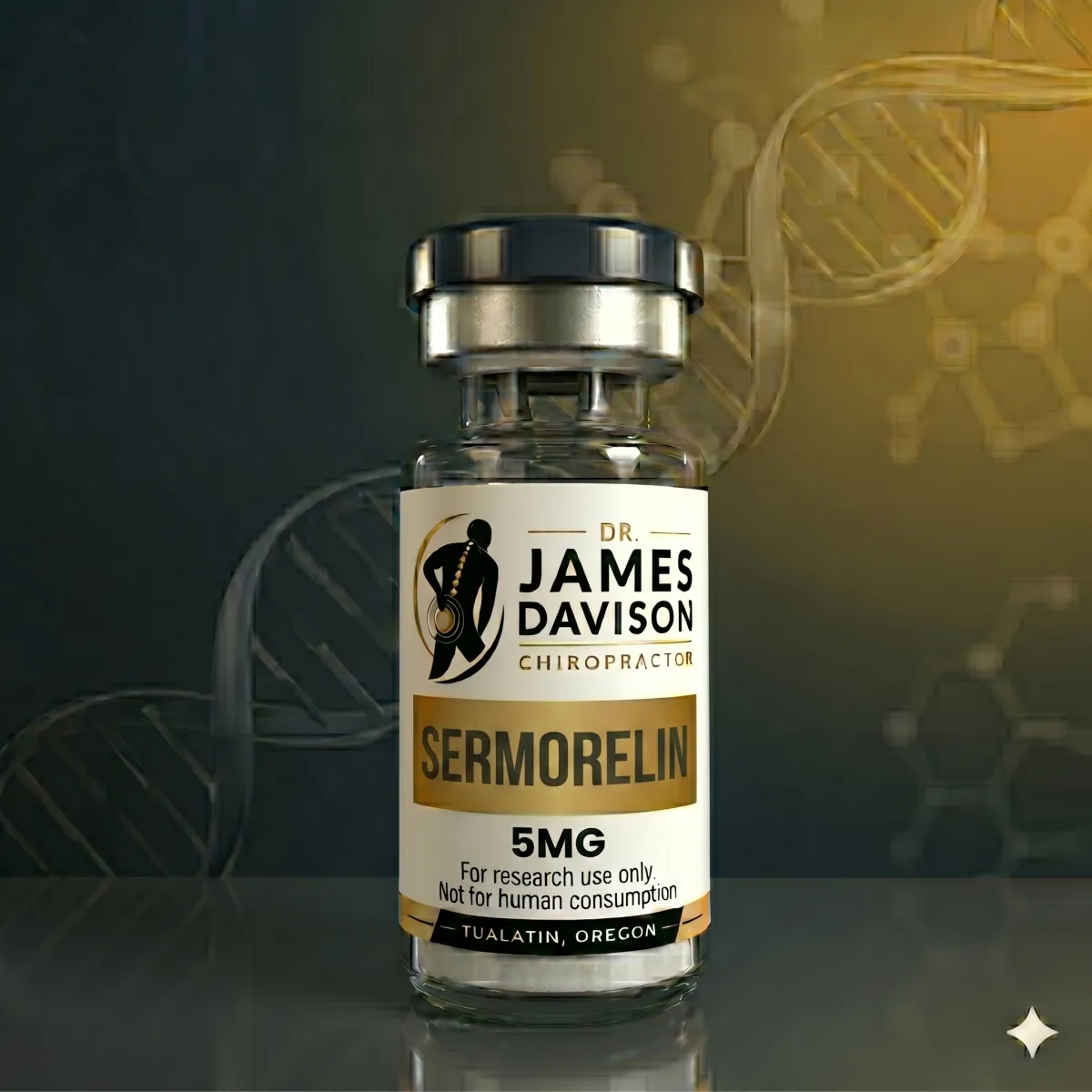
Sermorelin is a synthetic peptide and growth hormone–releasing hormone (GHRH) analog widely studied for its ability to stimulate the natural release of growth hormone from the pituitary gland. It is commonly explored in research focused on hormonal regulation, metabolism, and body composition.
Research has also examined its role in supporting physiological processes related to recovery, tissue maintenance, and overall endocrine function.
Sermorelin 5mg
Reconstituted with 100 units (1 mL) of Bacteriostatic Water, using a 1 mL Syringe (100 units)
● Low Dose (.15mg/daily):
○ 150 mcg (.15mg) or 3 units (0.03 mL)
● Average Dose (.25mg/daily):
○ 250 mcg (.25mg) or 5 units (0.05 mL)
● High Dose (.5mg/daily):
○ 500 mcg (.5mg) or 10 units (0.1 mL)
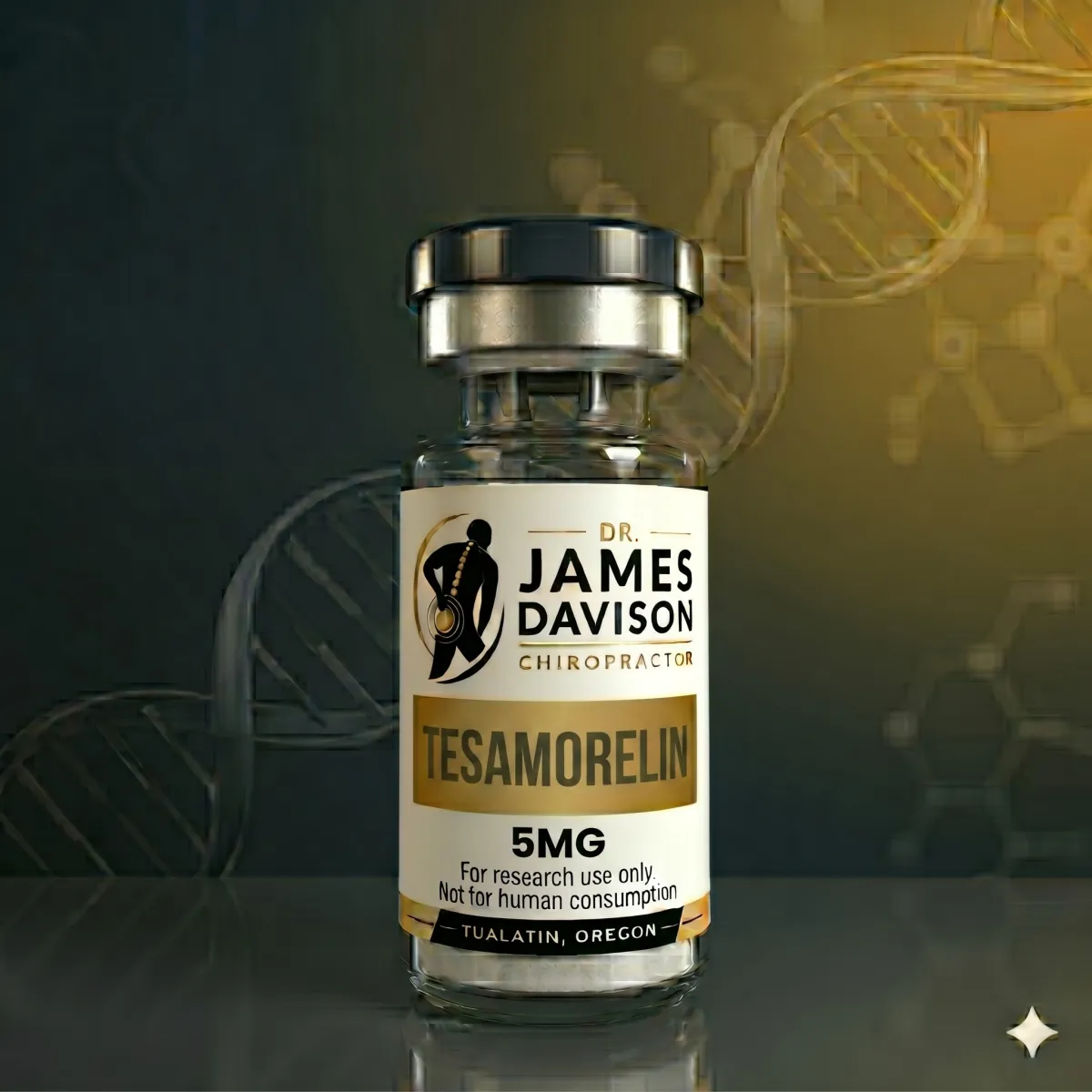
Tesamorelin
Tesamorelin is a synthetic peptide and growth hormone–releasing hormone (GHRH) analog widely studied for its role in stimulating the natural release of growth hormone from the pituitary gland. It is commonly explored in research focused on metabolic function, body composition, and lipid regulation.
Studies have also investigated its potential involvement in fat metabolism, particularly in relation to visceral fat, as well as its broader effects on hormonal balance and physiological adaptation.
Tesamorelin 5mg
Reconstituted with 100 units (1 mL) of Bacteriostatic Water, using a 1 mL Syringe (100 units)
● Low Dose (.15mg/daily):
○ 150 mcg (.15mg) or 3 units (0.03 mL)
● Average Dose (.25mg/daily):
○ 250 mcg (.25mg) or 5 units (0.05 mL)
● High Dose (.5mg/daily):
○ 500 mcg (.5mg) or 10 units (0.1 mL)
Contact us today to get a free consultation!
Send us a message to get answers to any of your questions & we’ll get back to you within 24-48 hours or as soon as possible.



Quick Links
Service
Contact
8157 SW Seneca Street Tualatin, OR 97062
(503) 612-9981
© Copyright 2026. Dr. James Davison Chiropractic. All rights reserved.<script src="https://widgets.leadconnectorhq.com/loader.js" data-resources-url="https://widgets.leadconnectorhq.com/chat-widget/loader.js" data-widget-id="6a5fed6ec6e06ac8e824aa3d" data-source="WEB_USER"></script>